
Which Vitamin Deficiencies Cause Hair Loss – and What to Do About It
If your hair has been shedding more than usual and you can't identify why, your diet — or what your body is absorbing from it — may hold some answers. Some nutritional deficiencies can contribute to hair falling out. Your GP can help identify whether a deficiency is involved and how to address it. This guide covers vitamins as well as iron and zinc, which are minerals.
Can a vitamin deficiency cause hair loss?
Why nutritional gaps affect hair
Yes — a nutritional deficiency can be a cause of hair loss. Hair follicles are among the most metabolically active structures in the body, so they have a high demand for energy and micronutrients. Nutritional stress, including a restrictive diet or marked weight loss, can disrupt the hair growth cycle.
Deficiency-related hair shedding can present as diffuse loss — you shed more all over, rather than in patches. This differs from genetic or hormonal pattern hair loss, though both can co-exist. Nutritional stress can trigger telogen effluvium, where an increased number of follicles enter the resting phase before shedding. The British Association of Dermatologists explains telogen effluvium and how it is assessed.
Iron and ferritin — an important consideration
What is ferritin and why does it matter?
Ferritin is the protein that stores iron in your body. It is different from haemoglobin — the oxygen-carrying protein in red blood cells. Iron stores can be low even when haemoglobin is within the normal range. Your GP can interpret ferritin alongside your symptoms and other blood results.
This distinction matters because standard blood tests don't always include ferritin. If you're concerned about hair falling out, ask your GP whether checking ferritin would be useful — not just haemoglobin.
Who is most at risk of low ferritin?
Women who menstruate can be at greater risk, as blood loss can reduce iron stores. Risk is also higher in:
- Those whose diets do not provide enough iron
- Those with heavy periods
- Women who have recently given birth, particularly after significant blood loss
- Those with conditions affecting iron absorption, such as coeliac disease
Other symptoms alongside hair shedding
Iron deficiency does not always cause obvious symptoms. When it leads to anaemia, symptoms can include persistent fatigue, breathlessness on exertion and paler skin. The NHS lists hair loss as a less common symptom of iron deficiency anaemia. These symptoms can have other causes, so they need to be assessed in context.
Vitamin D deficiency and hair loss
How vitamin D affects the hair follicle
Vitamin D receptors are found within hair follicles. Research has found lower vitamin D levels in some people with diffuse hair loss, but this association does not prove that low vitamin D caused the shedding or that supplements will restore hair growth.
Why vitamin D deficiency is common in the UK
During autumn and winter, UK sunlight is not strong enough for the body to make enough vitamin D. The NHS advises adults to consider a daily supplement containing 10 micrograms of vitamin D during these months. Some people are advised to take it throughout the year. If you have a diagnosed deficiency, your GP may recommend a different treatment dose.
Vitamin B12 deficiency and hair loss
Vitamin B12 supports red blood cell formation and normal cell function. However, evidence linking low B12 directly to common forms of hair loss is limited. If your symptoms, diet or medical history suggest a deficiency, your GP can decide whether testing is appropriate.
Who is at higher risk of low B12?
B12 is found primarily in animal products — meat, fish, eggs and dairy. Those at higher risk of deficiency include:
- People whose diets provide too little B12, especially vegans who do not use a reliable supplement or fortified foods
- Older adults, who may absorb B12 less efficiently
- Those taking metformin, which can reduce B12 levels over time
- People with conditions affecting gut absorption, such as Crohn's disease
The NHS explains the dietary, medical and medication-related causes of B12 deficiency.
Zinc deficiency and hair loss
Zinc plays a role in normal cell growth and function. Zinc deficiency can be associated with hair loss, but taking extra zinc is not an established solution for people whose levels are adequate. Dietary sources include red meat, shellfish, nuts, seeds and wholegrains.
The truth about biotin supplements
When biotin does — and doesn't — help
Biotin (vitamin B7) is one of the most heavily marketed supplements for hair loss, and one of the most misunderstood. A genuine biotin deficiency is rare — most people eating a varied diet will already have adequate levels.
If you are deficient, treating that deficiency may help. But if your levels are already normal — which applies to most people — there is little evidence that taking extra biotin improves hair growth. The NIH Office of Dietary Supplements reviews the limited evidence for biotin and hair health.
Rather than defaulting to biotin, identifying what you are actually low in is far more useful. A discussion with your GP about your symptoms and diet is a better starting point than guessing. Tell your GP about any biotin supplements before blood tests, as they can interfere with some results.
How to know if a deficiency is causing your hair loss
Blood tests your GP may consider
Your GP can review your symptoms, diet, medical history and scalp before deciding which tests would be useful. Depending on their assessment, these may include:
- Ferritin and full blood count, including haemoglobin
- Vitamin D, when symptoms or risk factors justify testing
- Vitamin B12 and folate
- Zinc, if a deficiency is suspected
- Thyroid function, if another cause of shedding is suspected
Not everyone needs every test. NICE recommends vitamin D testing only when there is a clinical reason, symptoms of deficiency or particularly high risk.
Your GP will interpret results alongside your symptoms. If no relevant deficiency is found, hormonal, genetic, stress-related and other causes may need consideration.
Can correcting a deficiency reverse hair loss?
How long to see results
When a deficiency is contributing to shedding, treating it may help hair recover. Improvement is gradual: allow several months, and remember that restoring fullness can take longer. If shedding continues, your GP can check for other contributing causes.
Getting more from food
A varied, nutrient-rich diet is a useful long-term foundation:
- Iron: red meat, lentils, dark leafy greens, fortified breakfast cereals and tofu
- Vitamin D: oily fish, such as salmon, sardines and mackerel, eggs and fortified foods; consider a daily supplement during autumn and winter in line with NHS advice
- B12: meat, fish, dairy and eggs — or reliable fortified foods and supplements if you eat plant-based
- Zinc: nuts, seeds, wholegrains and shellfish
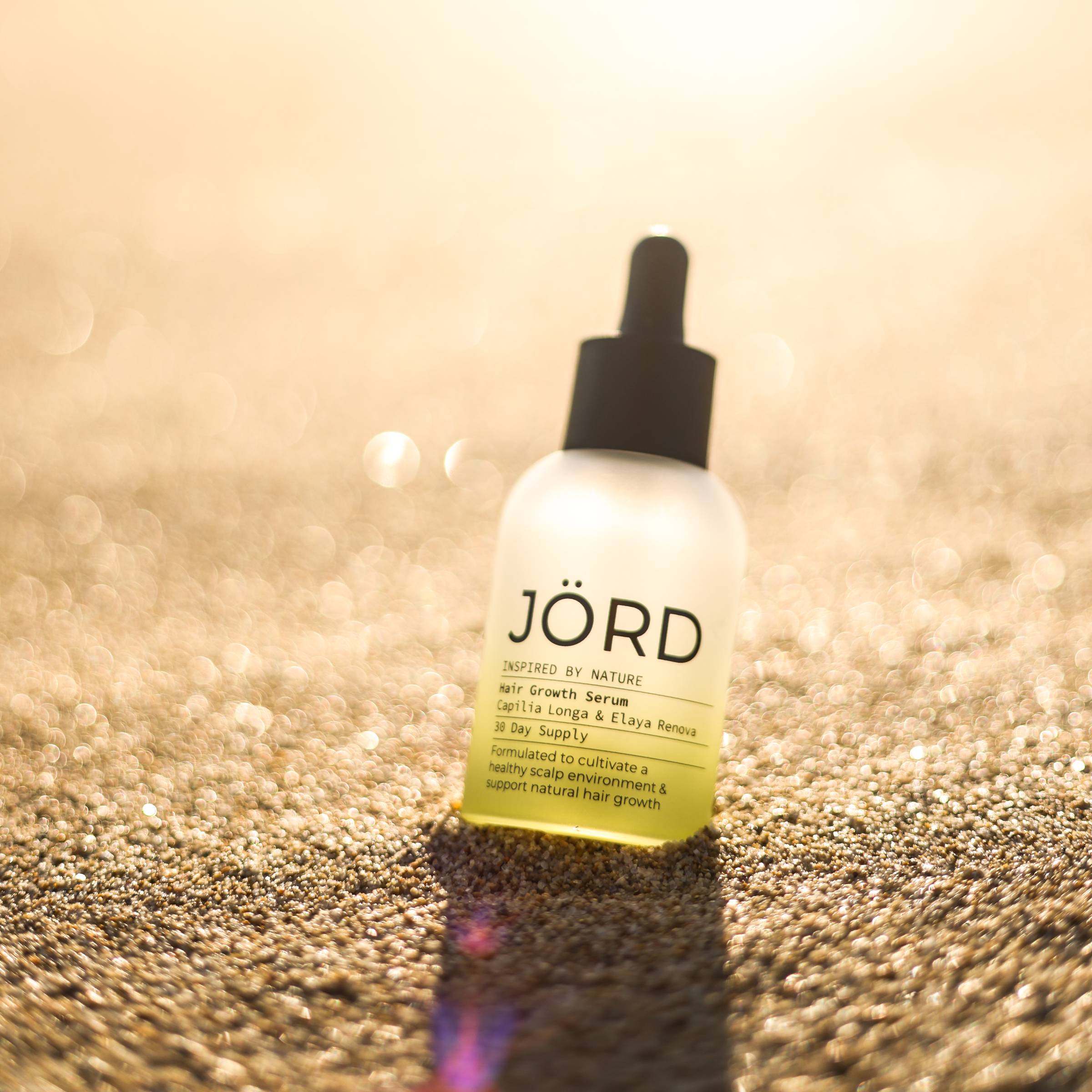
For your everyday haircare routine, explore the JÖRD Hair Growth Serum. A topical serum cannot correct a nutritional deficiency.
Note: This article is for informational purposes only. Please consult your GP before starting any supplementation, particularly at higher doses.
Frequently asked questions
Will taking vitamins stop my hair falling out?
They may help if a deficiency is contributing to the shedding. If your levels are adequate, taking extra vitamins is unlikely to help. Your GP can advise whether testing or treatment is appropriate.
How long will it take to see results?
Improvement can take several months after the underlying problem is addressed, and fuller recovery may take longer. The timing varies with the cause and whether other forms of hair loss are also present.
Can you take too many vitamins?
Yes. Some nutrients — including vitamin D and zinc — can be harmful in excessive doses. Always check with your GP or pharmacist before starting any high-dose supplement.
Sources
- NHS: Iron deficiency anaemia
- NHS: Vitamin D
- NHS: Causes of vitamin B12 or folate deficiency anaemia
- NIH Office of Dietary Supplements: Vitamin B12
- NIH Office of Dietary Supplements: Biotin
- NIH Office of Dietary Supplements: Zinc
- NICE: Vitamin D — supplement use in specific population groups, recommendations
- British Association of Dermatologists: Telogen effluvium
- Almohanna HM et al. (2019). The Role of Vitamins and Minerals in Hair Loss. Dermatology and Therapy.
- Tamer F, Yuksel ME, Karabag Y (2020). Serum ferritin and vitamin D levels should be evaluated in patients with diffuse hair loss prior to treatment. Advances in Dermatology and Allergology.