
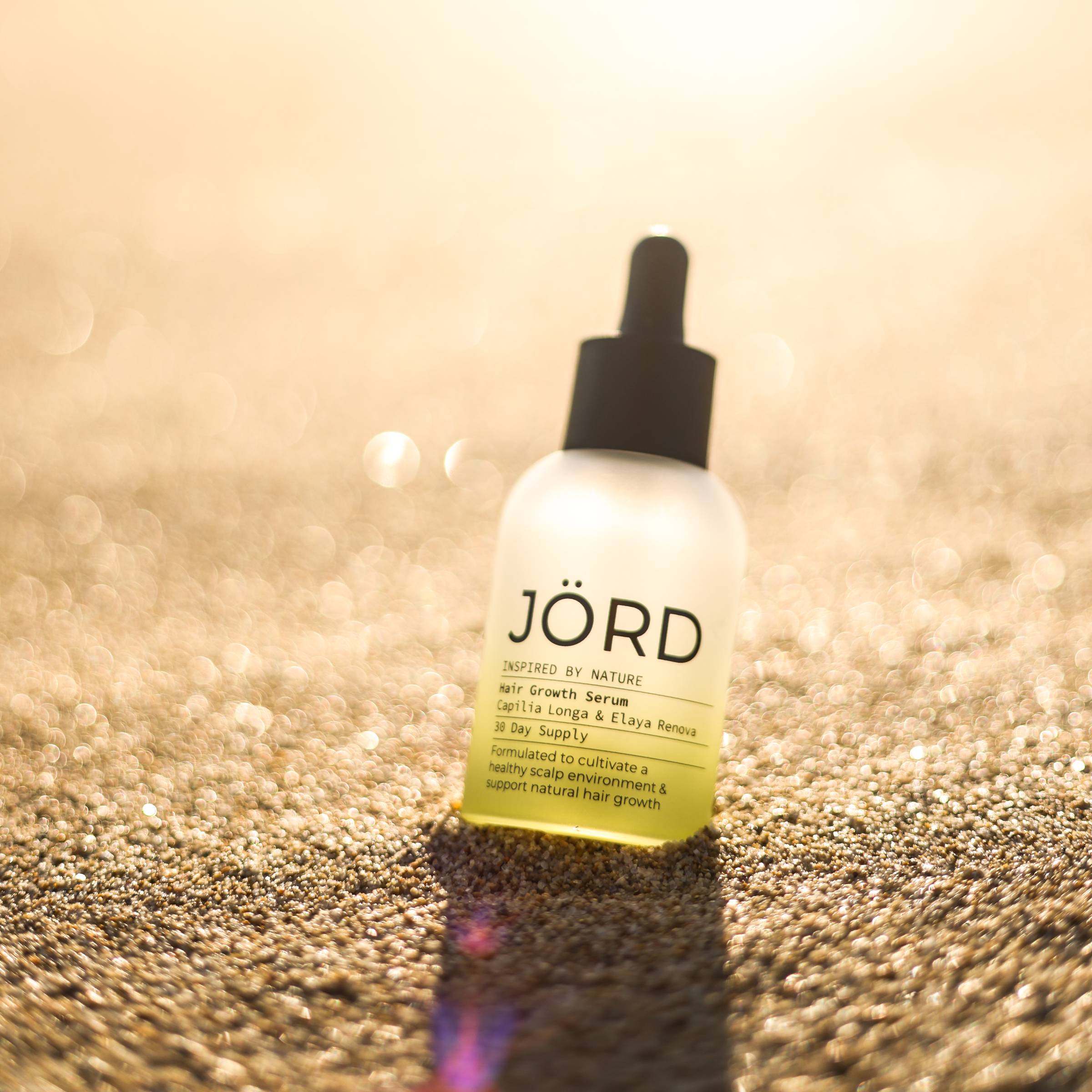
Think SPF stops at your hairline? Think again!
How to protect your scalp, and hair, in the sun.
We all know the importance of wearing SPF, but if you're only applying sunscreen to your face, you're overlooking a vital area: your scalp. Protecting your scalp and hair from sun-damage is just as important as safeguarding the skin on your face and body.
By not applying UV protection, you risk damaging both your hair and your scalp. At best you’ll suffer from hair that is frizzy and brittle, with split ends and orange-toned discolouration. At worst, increase the risk of hair loss and skin cancer.
JÖRD founder and award-winning hairstylist, Matt Curtis says, “UV rays are just as harmful to your scalp as they are to the skin on your face - fact! Putting SPF on your scalp and your strands is crucial for maintaining a healthy scalp environment and promoting natural hair growth and hair density. While many people think the hair itself provides enough sun protection for the scalp, the truth is that even very thick and dense hair only offers limited protection and shade. UV rays will still penetrate through your strands of hair, leaving your scalp vulnerable.”
So, how do we protect our scalp and hair from the sun? What kind of scalp SPF products are available, and what should we do if we find ourselves with a sore and sun-damaged scalp?
Read on to find out more.
How can you protect your scalp and hair in the sun?
There are plenty of SPF and recommended heat protectant products for your hair and scalp on the market. These help protect your skin from sunburn while preventing your hair from drying out, becoming damaged, or fading in the sun.
From leave-in conditioners to sunscreen sprays, scalp sunblock, mists, oils and masks, there are many options available. Look for products that are water-resistant for added protection.
JÖRD’s Hair Growth Serum contains Elaya Renova, which provides natural UV protection for the scalp and base of the hair strand.
UV protectant products are best applied when hair is dry. Spray or apply to the parting first, around the hairline and on any problem or thinning areas. For best results, use a wide tooth comb to distribute the product evenly through your hair.
As with any sunscreen, hair and scalp protection products should be reapplied regularly, ideally every two hours, especially after swimming or excessive sweating.
Looking beyond your haircare products is also a really effective way to help strengthen and protect your hair and scalp. Eating a balanced diet rich in wholegrains, fruit, and vegetables, and staying well hydrated, can help support healthy hair and skin from within.
Finally, make sure you wear a hat whenever possible. A wide brimmed hat provides shade and additional protection for both your scalp, hair and face.
How to recognise a sunburnt scalp
No matter how careful we are in the sun, it's easy to accidentally overexpose our skin and increase the risk of damage. If you've spent time outdoors, it's important to recognise the signs of sunburn so you can get out of the sun and treat the affected areas as quickly as possible.
Tenderness and a sensation of heat or tightness in the scalp are often among the first signs of sunburn after sun exposure. On closer inspection, the scalp may appear inflamed and pink or red on lighter skin tones.
Your scalp may also become itchy and begin to peel or flake as the burn heals. In more severe cases, blistering can occur.
Sun-damaged hair often changes in texture, becoming dry, brittle and straw-like. It may be more prone to split ends and frizz, while appearing dull and lacking vibrancy.
How to treat sunburnt scalp
If you experience any signs of a sunburnt scalp, start by cooling the skin with a cold compress for 10–15 minutes several times a day to help reduce heat and inflammation.
Make sure you drink plenty of water, as hydration is key in supporting the body’s natural healing process.
Wash your hair and scalp gently with lukewarm water, using a mild, sulphate-free shampoo. Avoid heat styling and hair products while the scalp heals, and don’t wear your hair in tight styles, as it can tear and aggravate tender skin.
Apply 100% pure, alcohol-free aloe vera gel directly to the scalp to soothe and cool the area. It acts as a natural coolant and is an anti-inflammatory too. In more severe cases, you may need to use an over-the-counter 1% hydrocortisone cream, so always seek advice from a pharmacist if you are concerned about your symptoms.
Allow your scalp to heal naturally. Don’t pick, scratch or pull at a dry or blistered scalp, as this can cause infection and make the healing process take longer.
Explore our guide to why scalp health matters for your hair.
Read more
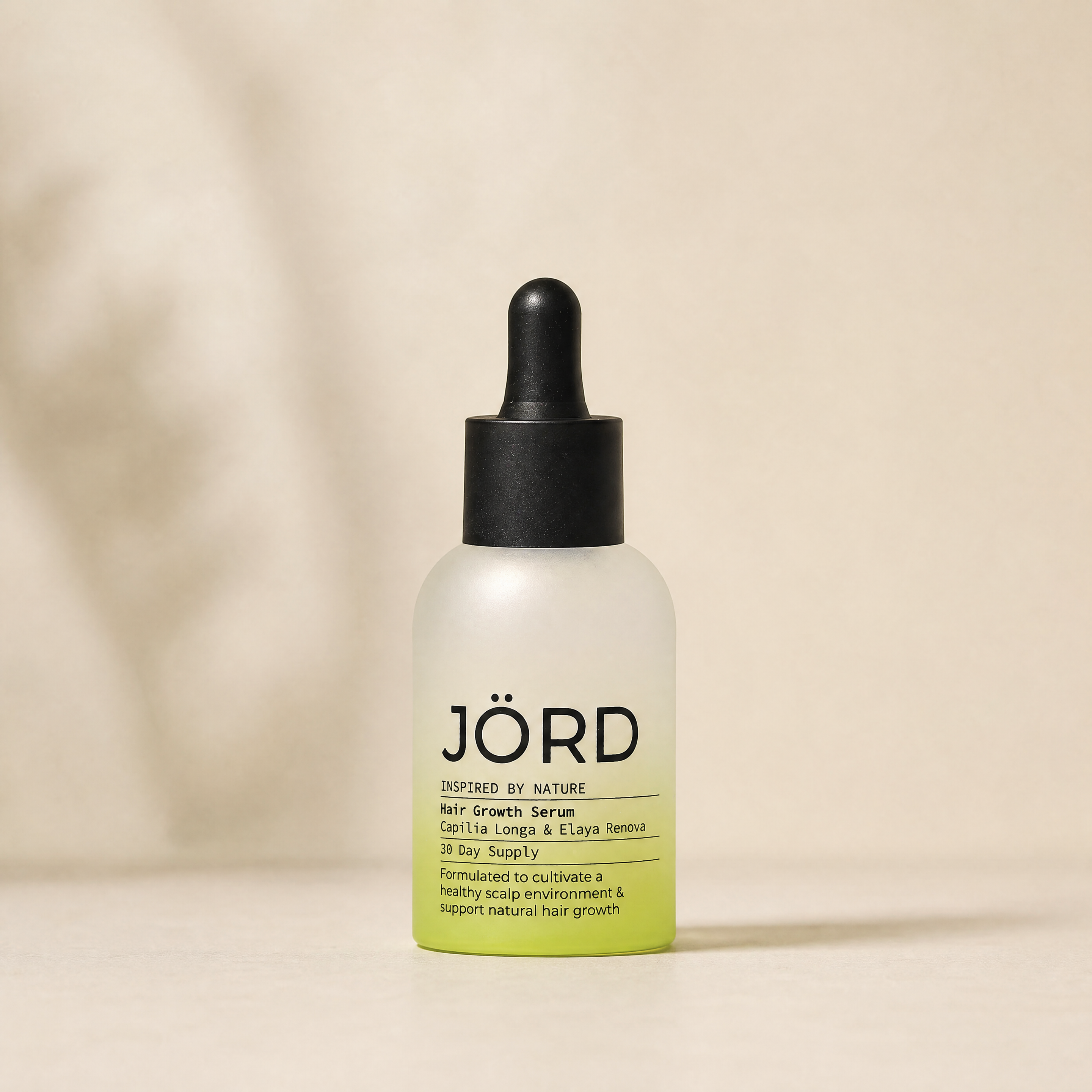
There are many misconceptions behind female hair loss, and varying advice on how to manage it. One critical factor that is often overlooked is the scalp. Maintaining a healthy scalp environment is ...
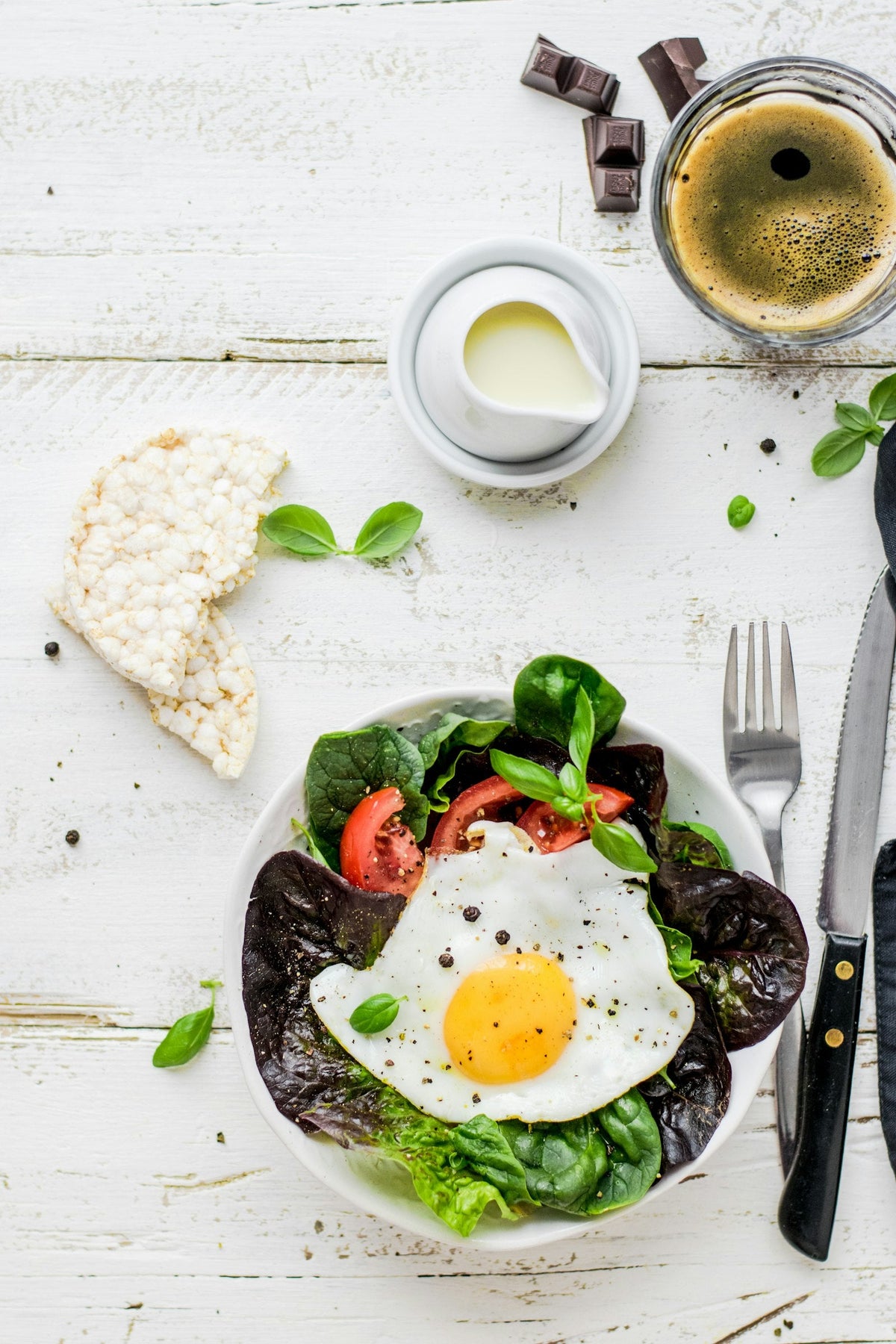
Explore how iron, vitamin D, B12, zinc and biotin relate to hair shedding, what the evidence says, and when to discuss testing with your GP.