Why scalp health is key for fuller and healthier hair
There are many misconceptions behind female hair loss, and varying advice on how to manage it. One critical factor that is often overlooked is the scalp. Maintaining a healthy scalp environment is key to supporting natural hair growth and promoting hair density. But what does that mean and how do we achieve it?
Why does my scalp matter?
Scalp care is incredibly important for hair growth. The scalp is an extension of your body's largest organ (your skin) and deserves the same amount of attention that you would give to the skin on your face.
Your hair receives the nutrients it needs to grow from the rich network of blood vessels supplied to the scalp. The scalp’s oil glands produce a natural oil called sebum, which keeps your hair and skin soft, helping to retain moisture. The outer layer of your scalp is always renewing itself, shedding old cells and replacing them with new ones to keep it working properly. It has a big job to do and often goes unnoticed and neglected, that is until something throws it off balance.
Just think of your hair in terms of plants; in the same way a plant needs soil that is rich in nutrients to enable growth, the same is true for your hair. If your hair is on a scalp that is healthy, it will support growth and long term health.
What is a healthy scalp environment?
When hair care specialists talk about “maintaining a healthy scalp environment”, they are referring to a scalp that is free from dead cell build up, often caused by excess oil, dirt and styling products, to prevent blocked hair follicles. It has an optimal pH balance - one that is slightly acidic to keep the scalp barrier function strong and to prevent infections.
A healthy scalp environment has a balanced mix of bacteria that doesn’t cause you irritation, dandruff, or inflammation. It is also well-nourished and hydrated, with good blood flow to support hair growth.
What are the signs that my scalp is in need of some TLC?
The scalp is where the magic happens! You may not be able to see it, but if your scalp is suffering you’ll certainly feel it.
If your scalp is being stripped of its natural oils, either from the use of harsh products or because of hormonal changes, you may feel itchy, tightness, or notice flaking skin (dandruff) appearing on clothing.
If your roots feel very greasy on day one after washing, this could be your scalp telling you it needs a deep cleanse.
A sensitive scalp, or being able to feel acne in various areas on your head, can indicate you need to pay more attention to what’s happening beneath your hair. And finally, the big one, excessive hair loss, thinning or breakage. If you are noticing shedding hair, starting at your scalp is one way to understand how to manage issues and promote growth.
What causes female hair loss?
Female hair shedding can occur for many reasons, including postpartum hair loss, thinning hair from menopause, receding hairlines as a result of stress, or even genetic female hair pattern baldness. It is always advised to speak with your stylist, dermatologist or a trichologist if you are overly concerned.
How do I look after my scalp?
There are some key routines you should adopt to ensure you are looking after your scalp and giving it the best chance to grow dense and healthy hair.
-
Cleanse regularly.
Regular shampooing helps to maintain a clean and healthy scalp environment that is free of dead skin cells, allowing the hair to grow from the scalp unrestricted. It is always advised to use a sulfate-free shampoo.
-
Avoid wet hair for longer than needed.
We all have those moments when we can’t be bothered to dry and style our hair, choosing instead to sit and let it dry naturally. But leaving your hair, and scalp, wet for longer periods of time, can cause a breeding ground for unwanted bacteria.
-
Boost blood flow.
Your scalp’s job is to deliver nutrients from the blood to support your hair growth. If circulation is poor, follicles may not get enough of those important nutrients, leading to brittle and thinning hair. Massaging your scalp with a derma roller can help improve blood flow, while a topical serum will provide hydration, reduce inflammation and support hair growth.
What products should I use to help keep my scalp healthy?
There are many products on the market to support you in maintaining a healthy scalp. Products like scrubs help remove the buildup of dead skin cells.
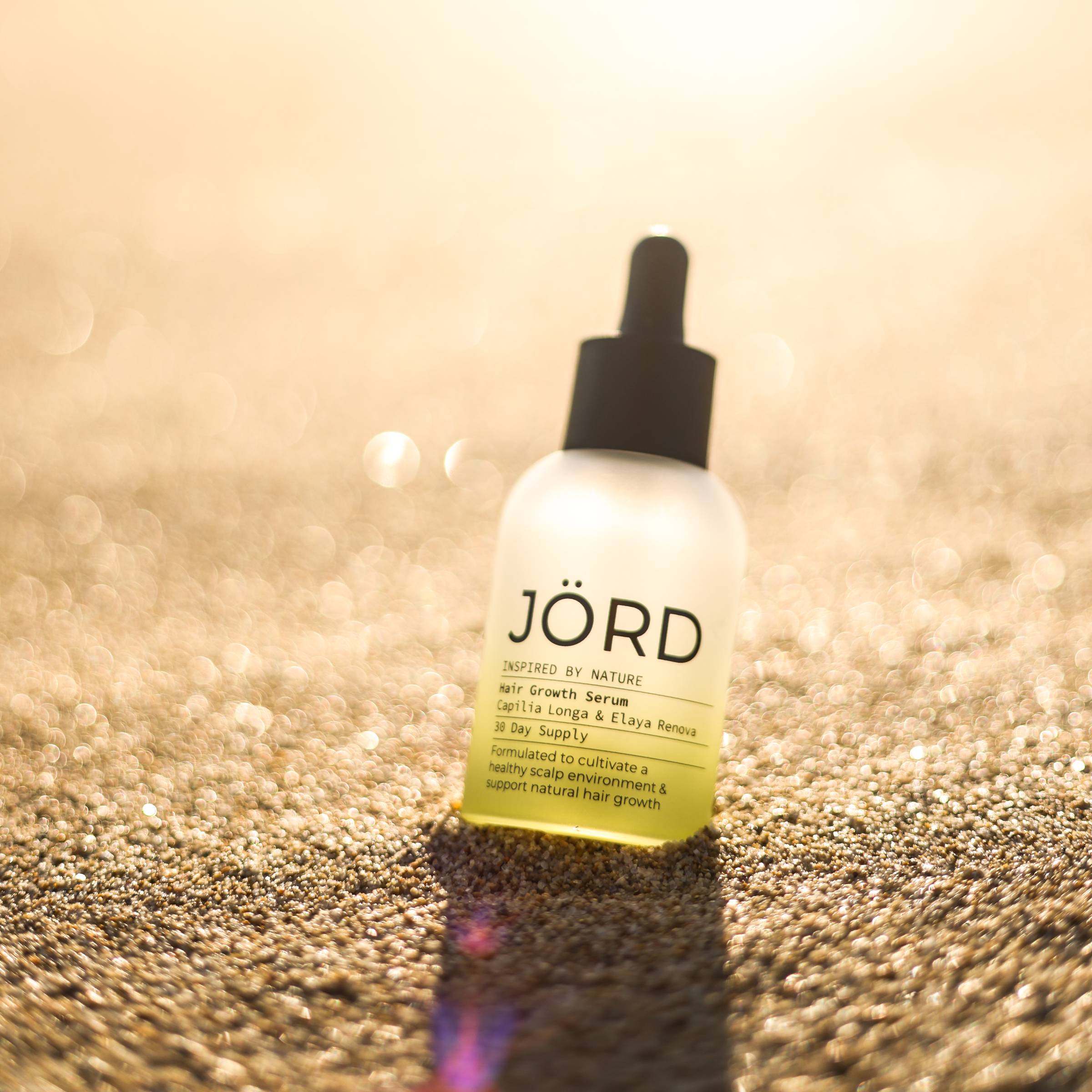
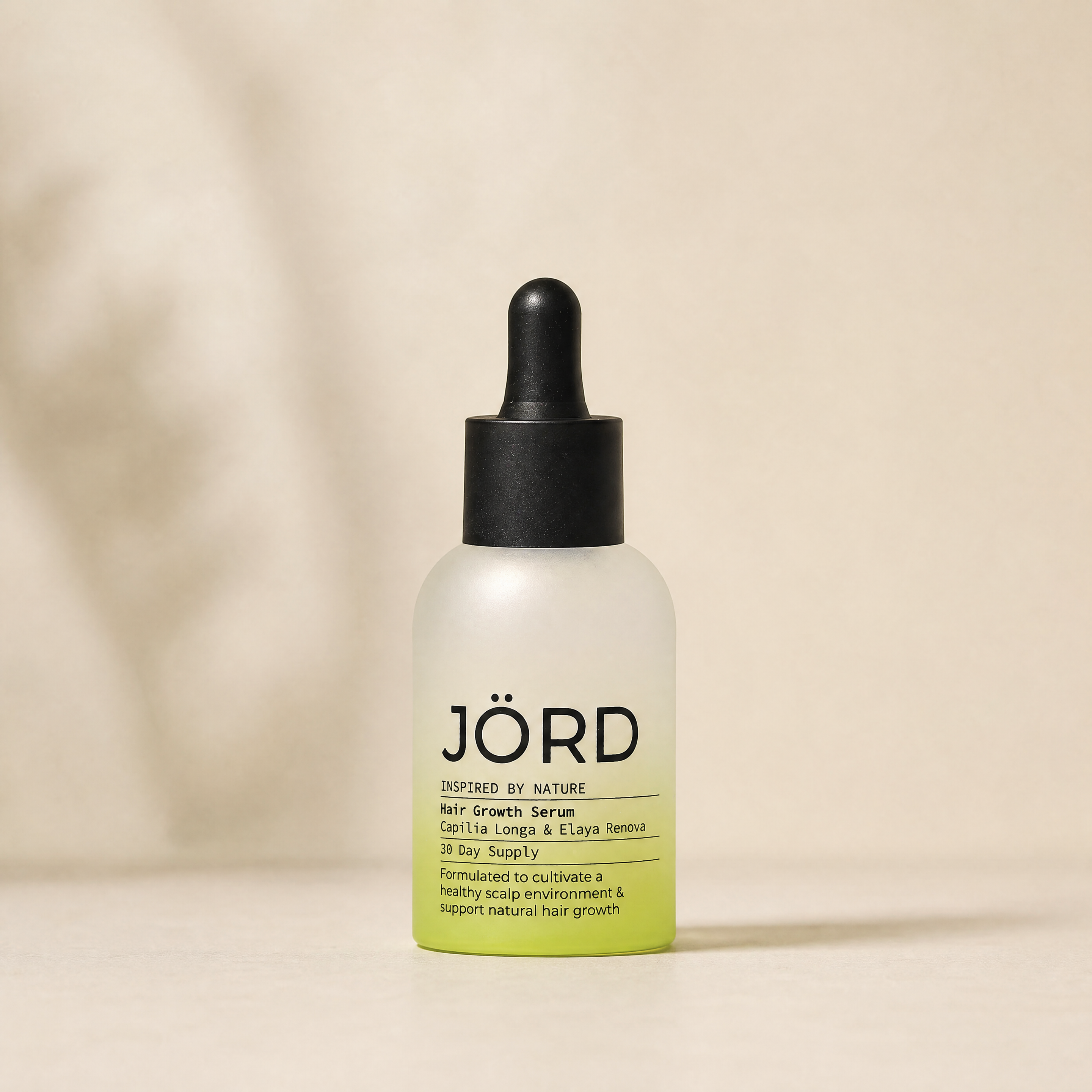
Scalp serums, like JÖRD’s Hair Growth Serum, which has natural circulation-boosting ingredients Capilia Longa and Elaya Renova, will enhance hair density, support growth and hydrate the scalp.
Scalp massagers, including JÖRD’s Growth Ritual Derma Roller, enhance blood circulation and transform the scalp into a more responsive and growth-optimised environment.